
Building & Hemp
Hempcrete, a material made from hemp and used for building and insulation, is a solution for many environmental and social problems affecting Native communities and beyond.
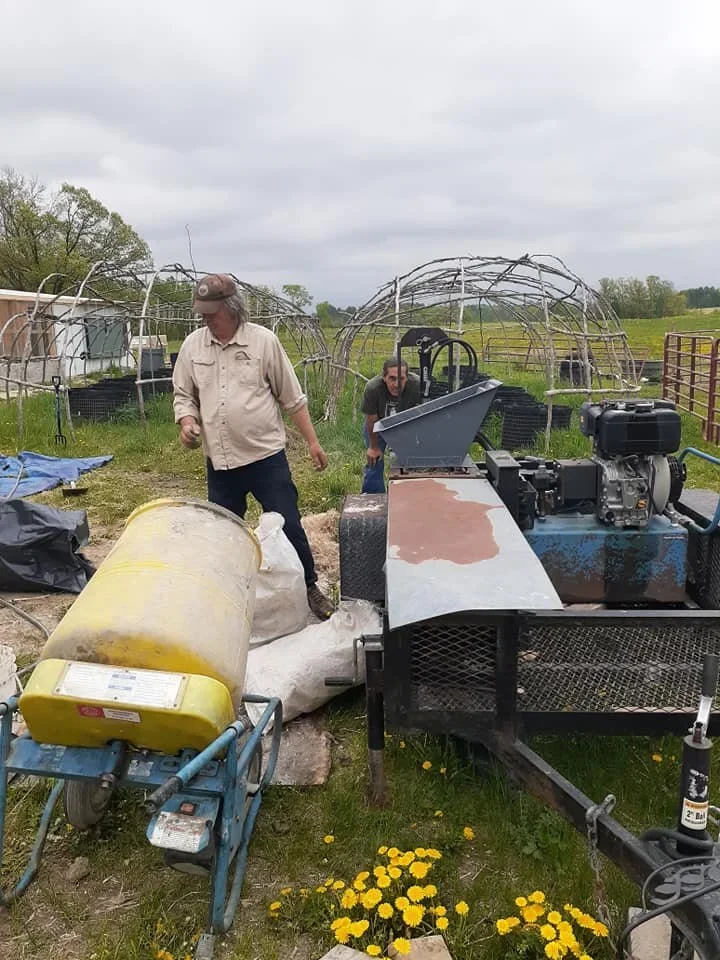
The problemTribal Nations face a severe and escalating housing crisis.
More than half of existing housing stock in Tribal communities is either overcrowded or substandard (U.S. Department of Housing and Urban Development [HUD], 2023)
and current conditions indicate the shortage will continue to worsen. Across the Northern Plains, aging trailer homes dominate the landscape—many of them unsafe, energy-inefficient, or structurally inadequate—forcing families into unstable living situations or away from their communities altogether (HUD, 2023).
The conventional construction industry relies on deeply unsustainable practices.
Globally, buildings account for approximately 37% of greenhouse gas emissions, driven by energy-intensive material production—particularly cement and steel—as well as building operations (United Nations Environment Programme [UNEP], 2022). The sector generates vast quantities of waste, contributes to habitat destruction, and depends heavily on extractive materials (UNEP, 2022). Rather than prioritizing reuse and regenerative design, the dominant model perpetuates a cycle of demolition, resource depletion, and carbon-intensive new construction.
The building industry consumes significant portions of the world’s forests
—resources that Indigenous communities seek to protect and steward for future generations (Lima et al., 2020). Addressing Tribal housing needs therefore requires not only more homes, but fundamentally different materials and systems—approaches that align with climate responsibility, cultural stewardship, and long-term community resilience.
The SolutionOne of the answers to addressing sustainable construction and climate challenges is hempcrete.
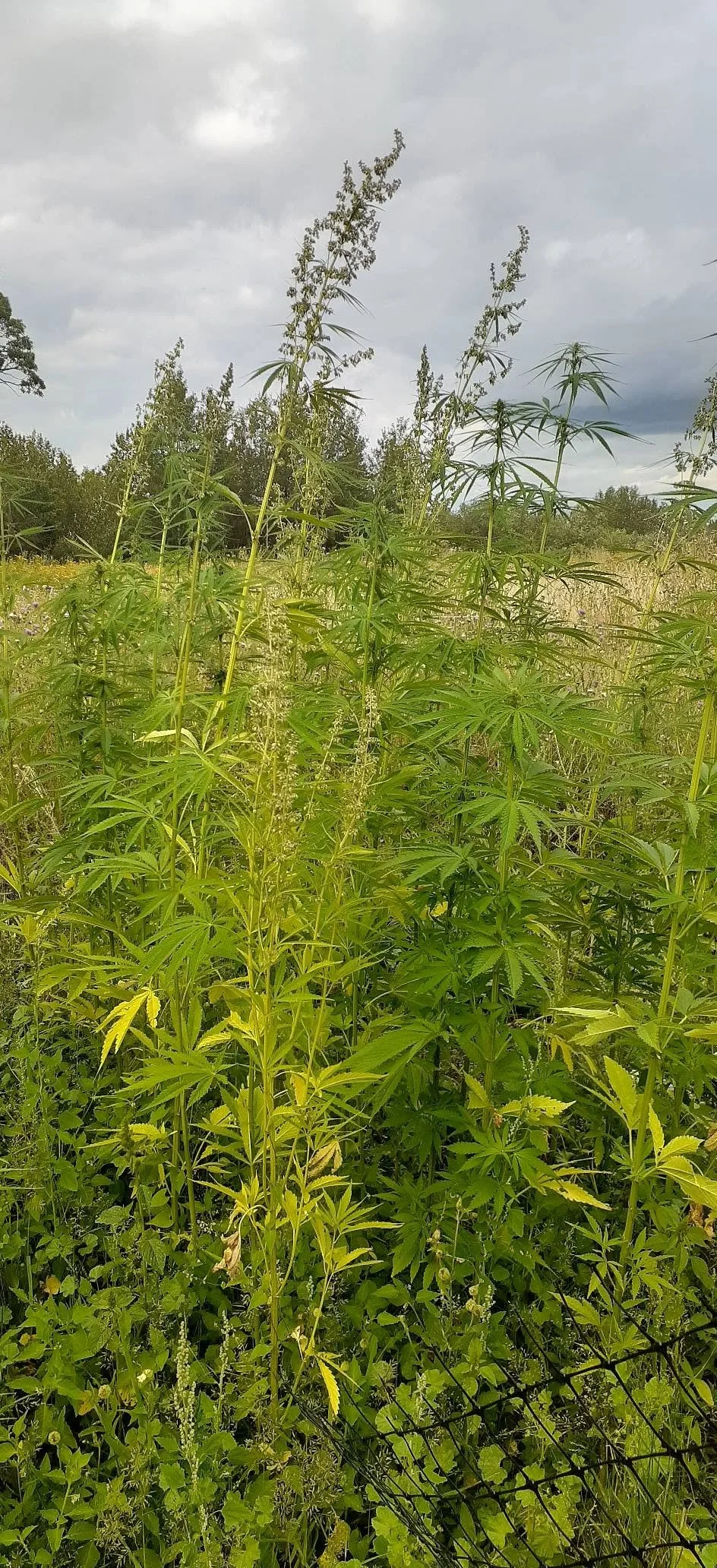
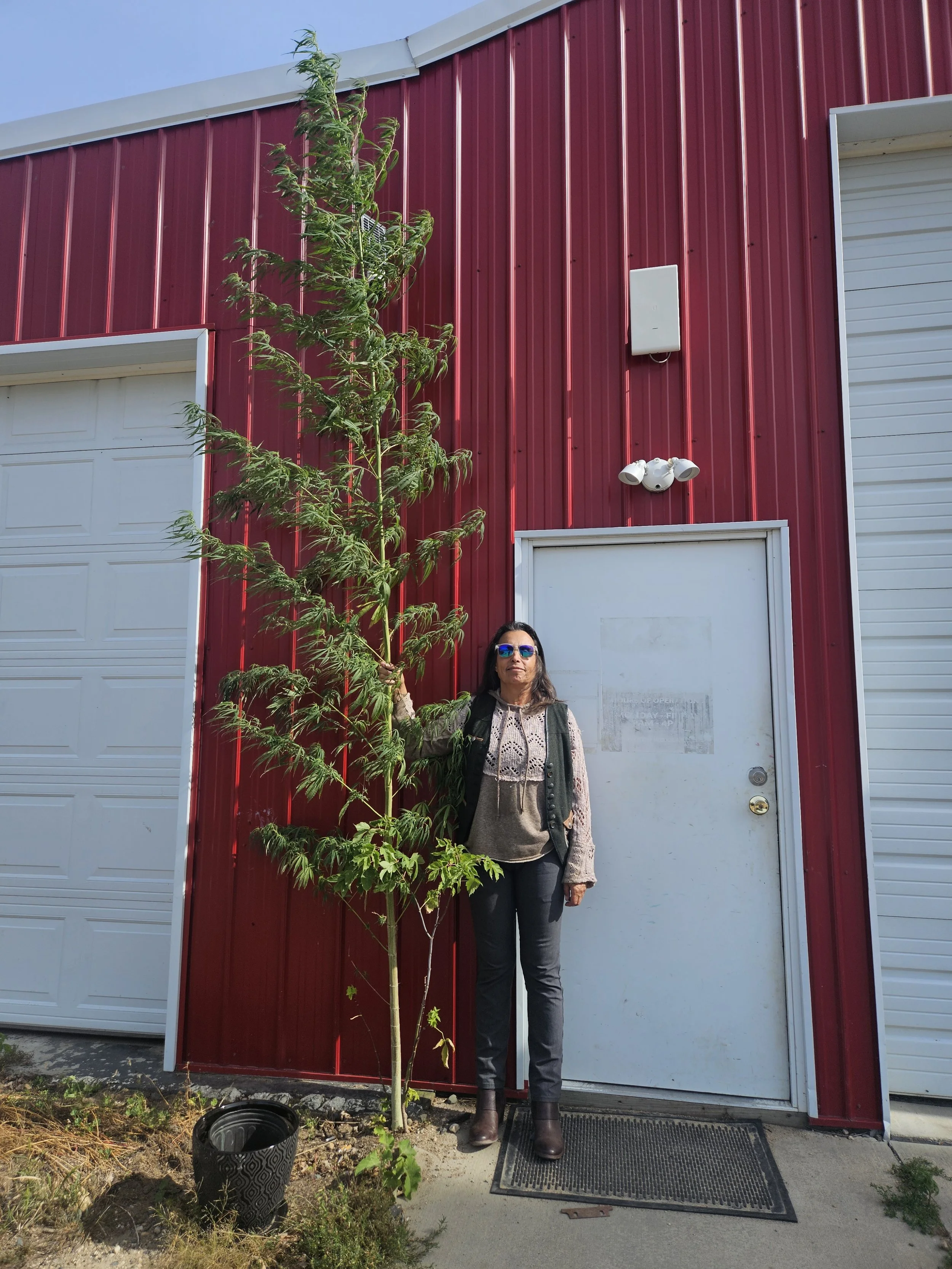
Because it is made from the cannabis plant, hempcrete absorbs large amounts of carbon dioxide during hemp growth.
Unlike conventional concrete—which relies on energy-intensive cement production and mining—hemp captures CO₂ as it grows, sequestering carbon naturally (Lawrence, 2020; Zhang et al., 2021). Once applied, hempcrete remains porous, retaining significant quantities of carbon dioxide and moisture, further contributing to its environmental benefits (Lawrence, 2020).
Hemp lime is lightweight, low-density, and three times more crack-resistant than traditional concrete, making it more resilient to seismic activity (Ghavami, 2005; Walker et al., 2014).
Hempcrete typically weighs about one-seventh as much as conventional concrete and has a compressive strength of approximately 145 psi (1 MPa), roughly 1/20th that of residential-grade concrete (Lawrence, 2020).
Hempcrete does not require expansion joints, so it isn’t suited for foundation walls and must be used alongside a framing system.
But this limitation does not diminish its potential—when applied strategically, hempcrete can make up a substantial portion of a home’s construction, providing insulation, durability, and low-carbon performance.
By integrating hempcrete into Tribal housing, communities are reclaiming control over building materials, advancing regenerative construction practices, and demonstrating a new model for sustainable, Indigenous-led housing that honors the land and strengthens local resilience.
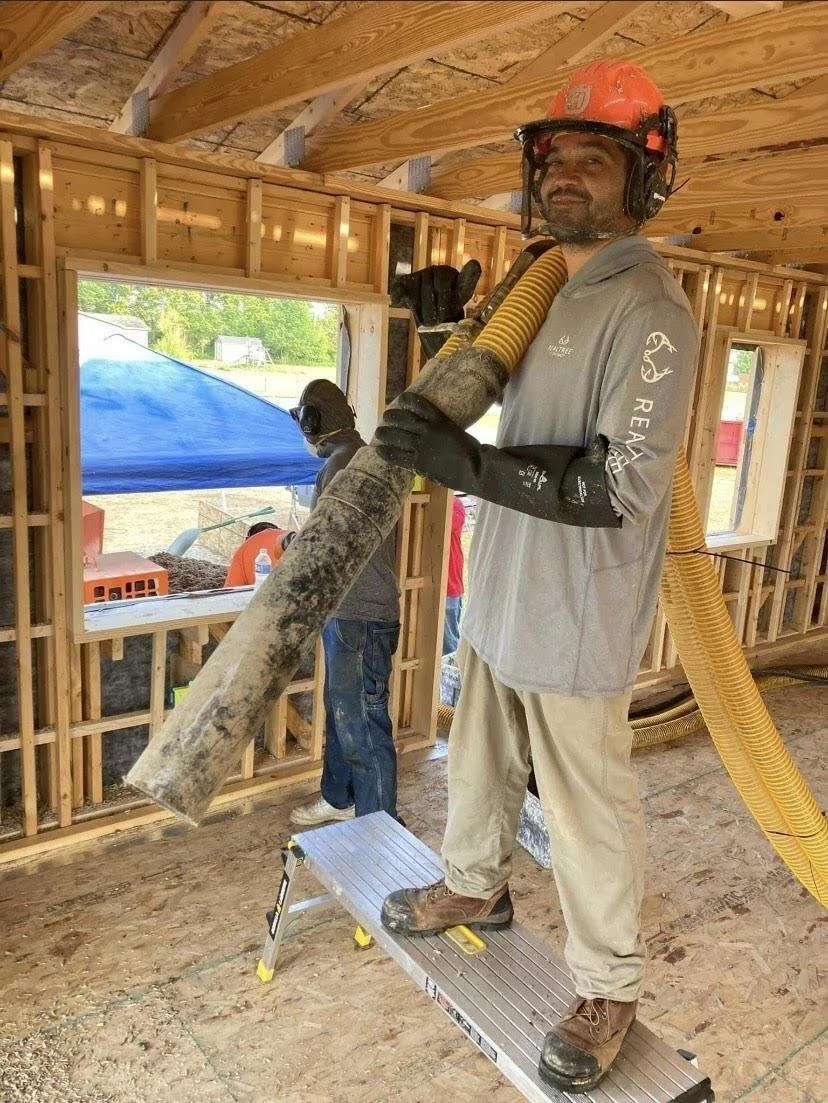
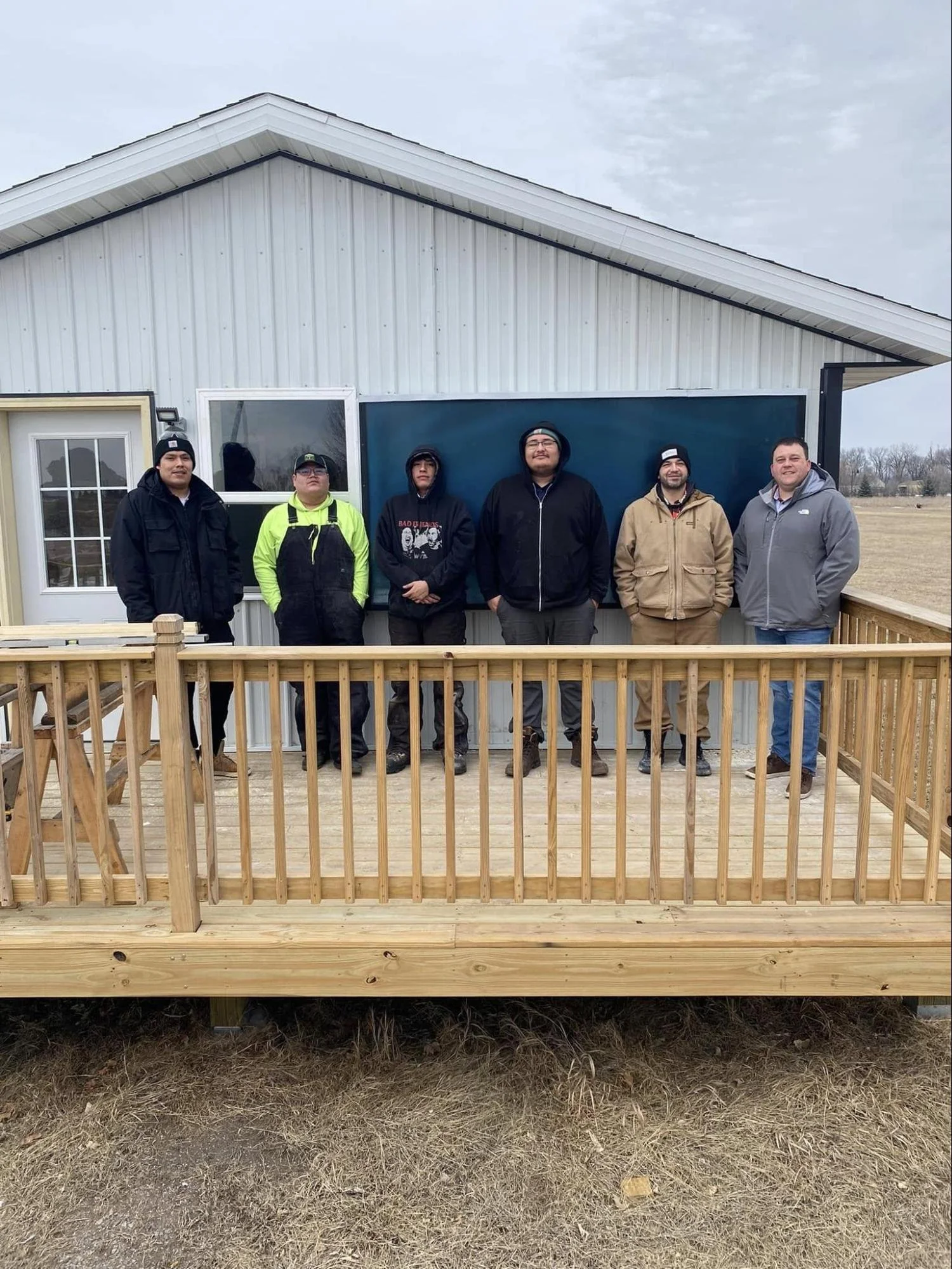
Above: Danny Desjarlais on site, who leads a building crew at the Lower Sioux Tribe (right).
Danny DesJarlais, of the Lower Sioux Tribe, has been leading a movement to transform Tribal housing through hempcrete construction.
For the past five years, they have built new homes, renovated existing structures, and trained Tribal members and construction professionals, empowering communities with hands-on skills and knowledge. Their work includes both hempcrete-only housing and hempcrete paired with solar thermal systems, dramatically reducing heating costs while advancing energy independence, climate resilience, and community self-determination. This initiative is more than building houses—it is reclaiming Indigenous stewardship over land, materials, and housing futures, while providing living-wage jobs and economic development for the tribes.
The PeopleIndigenous community is paving the way with hempcrete
Above: Danny Desjarlais on site, who leads a building crew of the Lower Sioux Tribe (right).
Danny DesJarlais, of the Lower Sioux Tribe, has been leading a movement to transform Tribal housing through hempcrete construction.
For the past five years, they have built new homes, renovated existing structures, and trained Tribal members and construction professionals, empowering communities with hands-on skills and knowledge. Their work includes both hempcrete-only housing and hempcrete paired with solar thermal systems, dramatically reducing heating costs while advancing energy independence, climate resilience, and community self-determination. This initiative is more than building houses—it is reclaiming Indigenous stewardship over land, materials, and housing futures, while providing living-wage jobs and economic development for the tribes.
Watch the Patagonia Film The Green Buffalo: Building Homes out of Hemp
starring Danny Desjarlais and the Lower Sioux Tribe
Bobby Cheresposy of the Laguna Pueblo, is the principal of White Arrow Construction (dba White Arrow Advantage), a building firm specializing in industrial and sustainable construction projects within Tribal and rural communities.
As a licensed contractor, Bobby brings decades of hands‑on experience in building and project management, applying his expertise to innovative, community-empowering work such as hemp‑based construction and natural building methods.
His work with White Arrow Construction includes advancing hempcrete housing solutions—bio‑based building techniques that use hemp hurds, lime, and water to create energy‑efficient, low‑carbon structures that help address chronic housing shortages while fostering local economic development and regenerative practices. Bobby’s leadership in integrating traditional construction skills with emerging sustainable materials underscores his commitment to building healthier, more resilient homes and infrastructure for Tribal Nations and other underserved communities.
Video from Keri Pickett
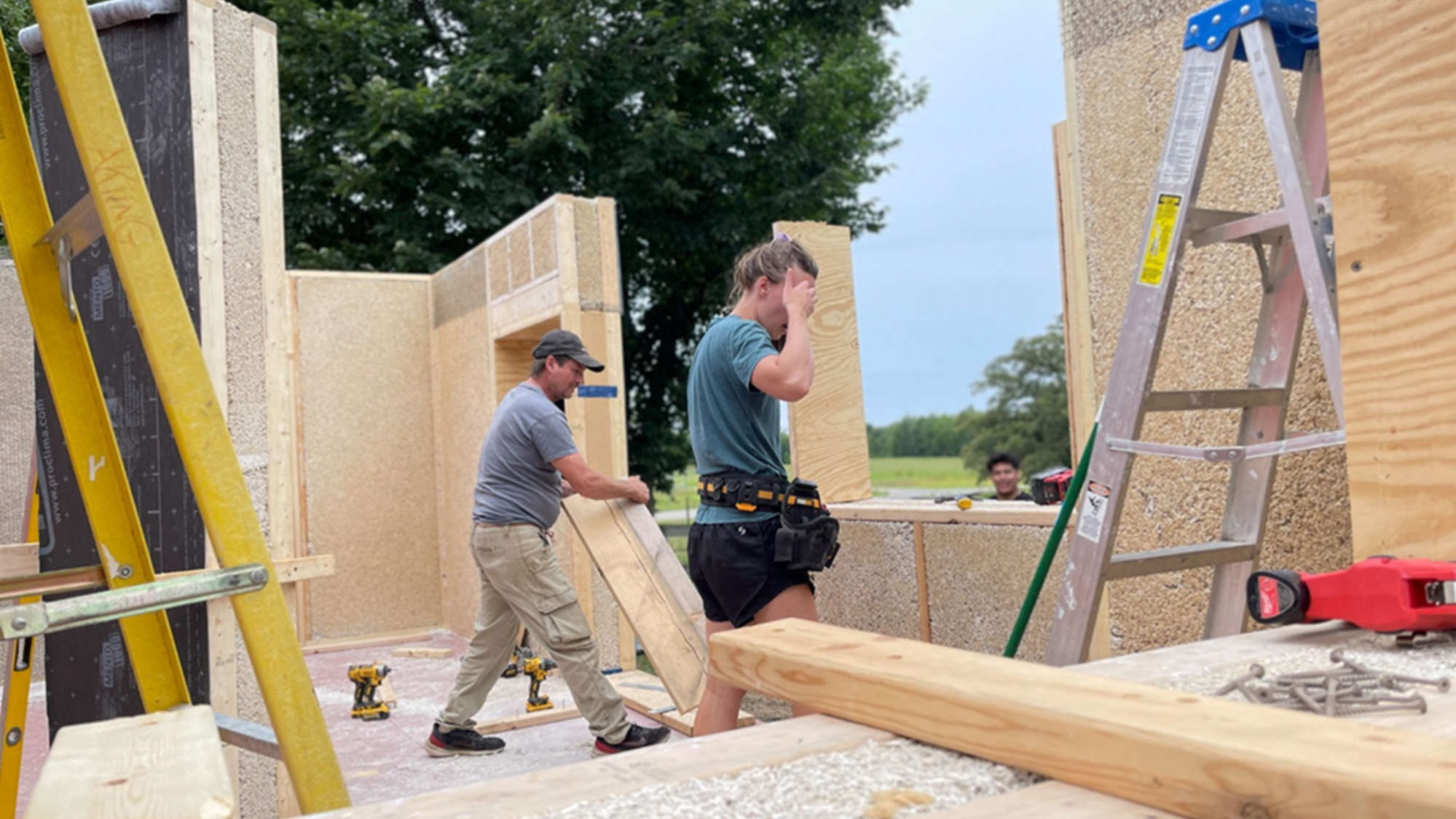
At Winona’s Hemp Farm, Homeland Hempcrete is leading a groundbreaking construction project using Structural Hemp-Insulated Panels (SHIPs).
These pre-made, pre-cured panels are crafted from hemp, lime, and natural insulating materials, producing lightweight, durable, and energy-efficient walls. SHIPs streamline construction by allowing rapid assembly while maintaining structural integrity and superior thermal performance.
Beyond their practical advantages, these panels embody a low-carbon, regenerative approach to building—capturing carbon dioxide, reducing reliance on concrete and other high-emission materials, and demonstrating a scalable model for sustainable, climate-resilient housing. This project not only showcases innovative building techniques but also advances Tribal-led leadership in regenerative construction and sustainable economic development.
Homeland Hempcrete’s SHIP system allows for consistent quality, customizable design, a variety of finishes, and quick and easy install, and finishes can be applied immediately after installation.
Is hempcrete construction legal?
Hemp was approved as a part of the US Building Code in 2024.
Hemp regulations in the USA are evolving, influenced by both federal legislation and state-specific laws. The 2018 Farm Bill laid the groundwork for hemp production, but ongoing legislative efforts may reshape the regulatory landscape, particularly concerning intoxicating hemp products.
The Indigenous Hemp Cooperative (IHC) remains proactive in monitoring and responding to evolving legislation and regulations within the hemp industry. By staying informed on federal, state, and Tribal policies, the Cooperative ensures that Tribal growers and cooperative members can operate confidently, sustainably, and in full compliance. This vigilance not only protects community interests but also supports the growth of Indigenous-led hemp initiatives, strengthens local supply chains, and fosters long-term economic and environmental resilience. Through this ongoing engagement, the Indigenous Hemp Cooperative helps safeguard Tribal sovereignty over hemp cultivation while advancing regenerative practices and cooperative economic development.
“Supply chains need collaboration and partnership, especially with a new and developing material,
IND HEMP has been fortunate to establish relationships with our customers’ development and engineering teams to identify specific needs. We often trial multiple grades to find the right fit and co-develop our standard specifications to match the needs of various production systems.”
— Gregg Gnecco, Brand and Marketing Director of IND Hemp
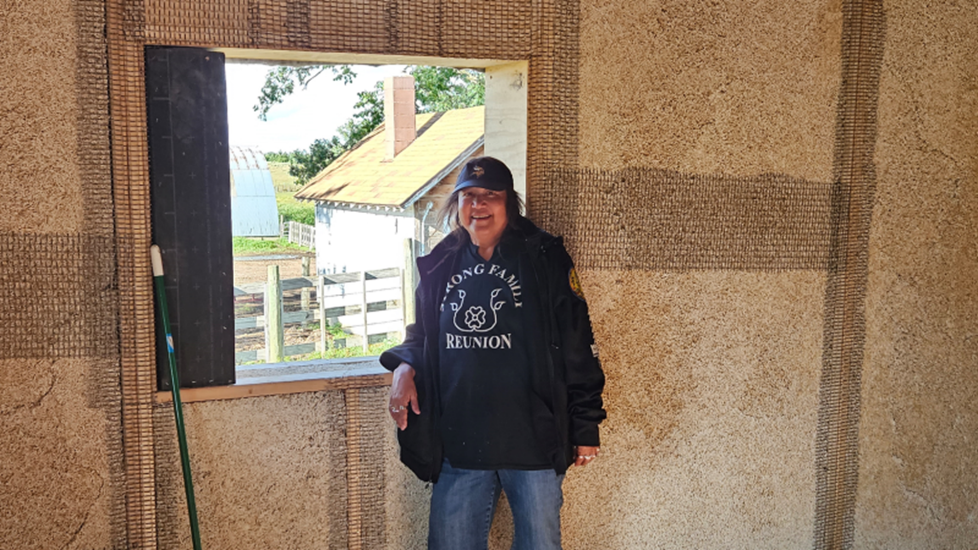
Right: Tracy Dagen Strong, board member for Many Nations Co-op, with a hempcrete build
References
Smith, C. (2025, November 21). HEMP – Emerging star climate‑smart bast fiber. International Fiber Journal. https://www.fiberjournal.com/hemp-emerging-star-climate-smart-bast-fiber/