


The New Green Revolution
Discover why industrial hemp is revolutionizing sustainable agriculture
Industrial hemp represents a sustainable path toward agricultural resilience and environmental restoration. As one of the most versatile crops on Earth, hemp offers farmers a profitable route to regenerative agriculture while addressing climate challenges. Fast-growing, disease-resistant, and capable of healing contaminated soil, hemp is transforming industries from construction to nutrition—all while restoring our planet and building resilient communities.
Hemp as a Path Forward
Hemp or Cannabis Sativa
Hemp or Cannabis Sativa
Cannabis Sativa is a plant that can change our world. And she will. In the United States, marijuana is defined as any Cannabis sativa plant that has greater than 0.3 percent THC. THC, short for tetrahydrocannabinol, is the primary psychoactive compound in cannabis. The more THC you consume, the more changes you will notice in your cognition and how you feel. In essence, THC gets you “high.” There are a many medicines present in cannabis sativa, including CBD, CBG, CBN and many others which are known to provide healing benefits. The medicinal and recreational cannabis industry is a huge industry in the US and in the world.
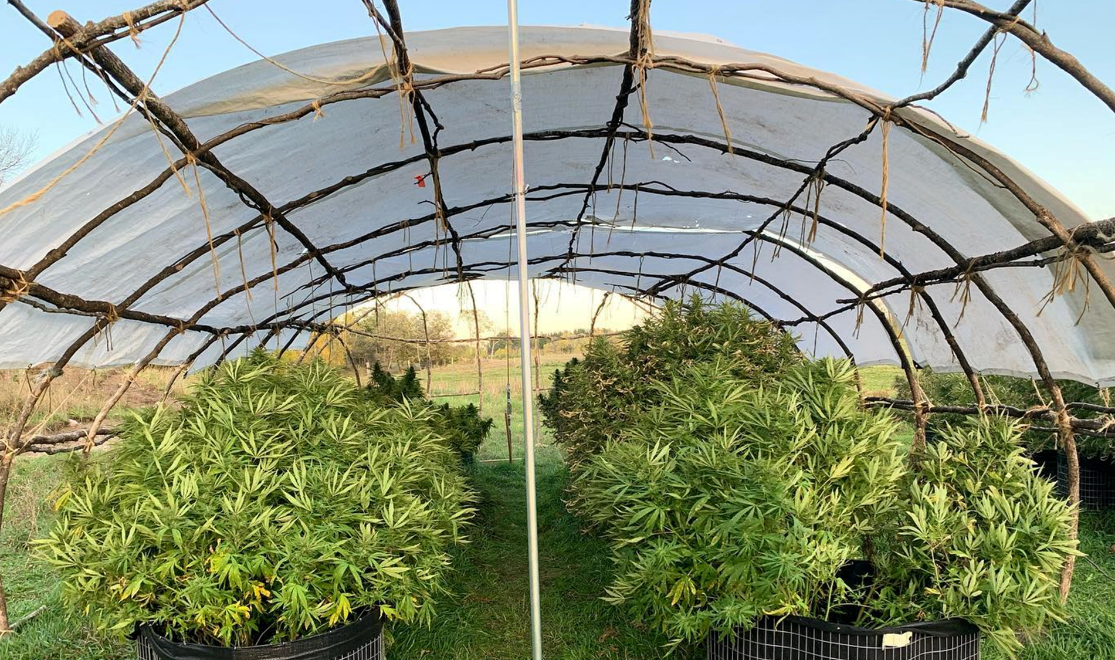
Hemp plants are defined as any cannabis plant with 0.3 percent or less THC. Even a plant with 0.4 percent THC would be classified as a marijuana plant, in spite of the fact that 0.4 percent isn’t going to have a noticeable psychoactive effect. Both varieties have great value. They look quite a bit different:
CBD Hemp Variety
Hemp Fiber Varietys
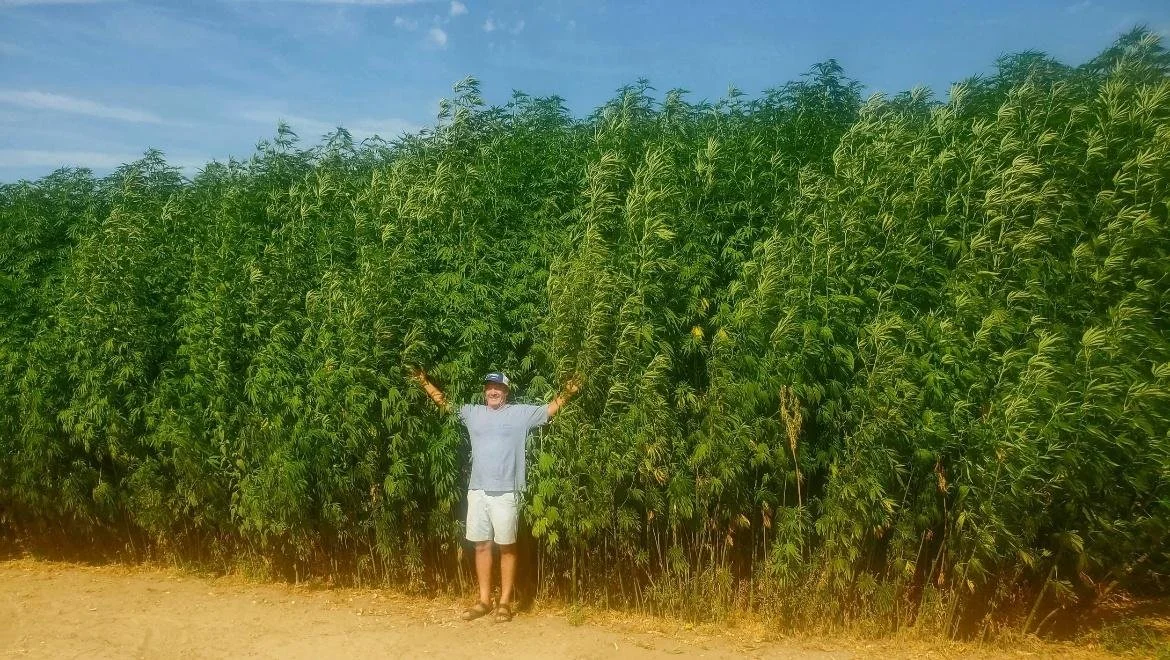
Seeds are the future. Because hemp cultivation was prohibited for 80 years in the US there is very little “domestic“ hemp seed diversity and not many varieties. The past decade has been one when seed breeders and importers have been working hard to bring more fiber hemp varieties into the North American landscape for farmers. We are a part of this work. Hemp is seeded at the rate of approximately 50 pounds per acre, in order to create the growing conditions which will produce tall stalks. These are generally non-branching stalks and also are required by law to be below 0.3% THC.
Hemp Uses and Benefits
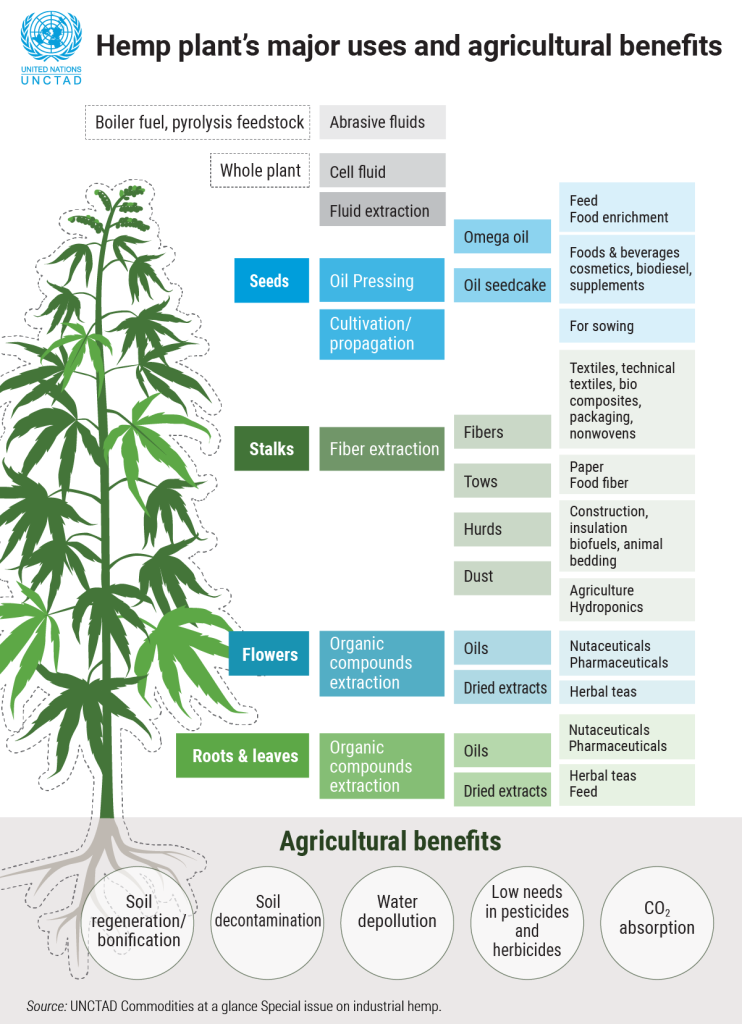
As a cooperative, we are interested in what hemp farmers have learned from cultivating hemp - which varieties did they grow, how did they grow them, what did they do with them, how did they harvest them.
Reference List
Lancaster Farming article (podcast summary):
Lancaster Farming. (2024, May 22). Czech your hemp with Hana Gabrielová [Podcast]. Lancaster Farming Industrial Hemp Podcast. https://www.lancasterfarming.com/farming-news/hemp/czech-your-hemp-with-hana-gabrielov/article_ae96bbbe-1837-11ef-b78f-cb78271aff34.html (Original URL provided)
Polish Hemp Program website:
Polish Hemp Program. (n.d.). Polish Hemp Program. https://www.polishhempprogram.com/
Horizon Hemp Seeds – Our Hemp Varieties page:
Horizon Hemp Seeds. (n.d.). Our hemp varieties. https://www.horizonhempseeds.com/our-hemp-varieties
Legacy Hemp – Homepage:
Legacy Hemp. (n.d.). Legacy Hemp. https://legacyhemp.com/
Hemp Traders – SEED-04B product page:
Hemp Traders. (n.d.). SEED-04B: Han NE Chinese fiber planting seed. https://www.hemptraders.com/SEED-04B-p/seed-04b.htm
Static image (Wix link):
Unknown author. (n.d.). Image file. Retrieved from https://static.wixstatic.com/media/b560fd_3bd43c2a298f499289164f063403de15~mv2.png